History
The 1889 Johnstown Flood
The 1889 Johnstown Flood was the greatest single-day loss of civilian life in the United States before 9/11. It also helped rewrite the country’s liability law.

The 1889 Johnstown Flood was the greatest single-day loss of civilian life in the United States before 9/11. It also helped rewrite the country’s liability law.
London, 1858. Citizens suffer through a very disgusting, very smelly summer that, almost 170 years later, is still ominously remembered as the Great Stink.
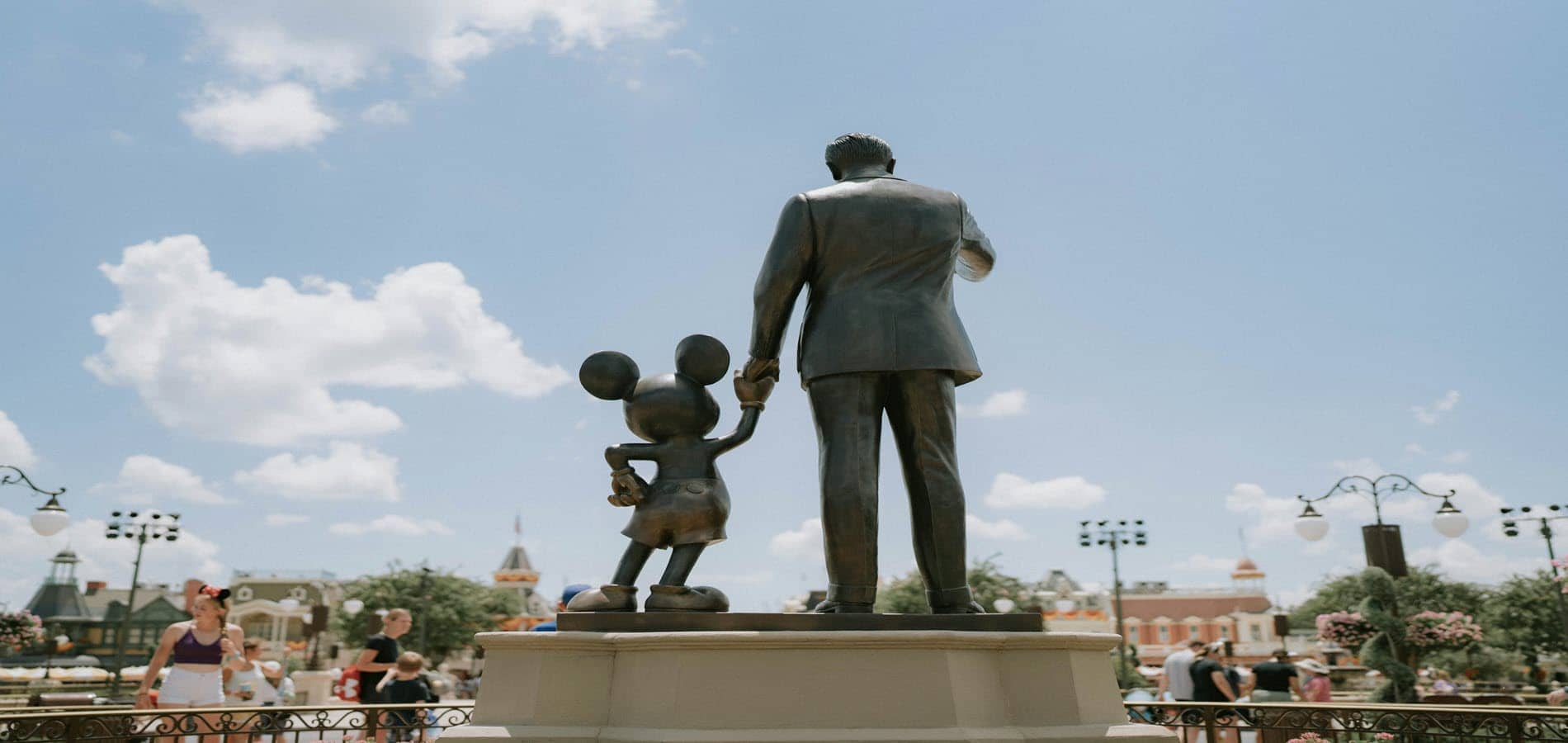
As of January 1, 2024, Mickey Mouse is in the public domain—well, kind of. Mickey’s journey from the Magic Kingdom to public domain re-wrote U.S. copyright law.

Frances Perkins was the first woman to serve in a presidential cabinet when she became the longest-serving Secretary of Labor in 1933. Her career changed the lives of every working American.
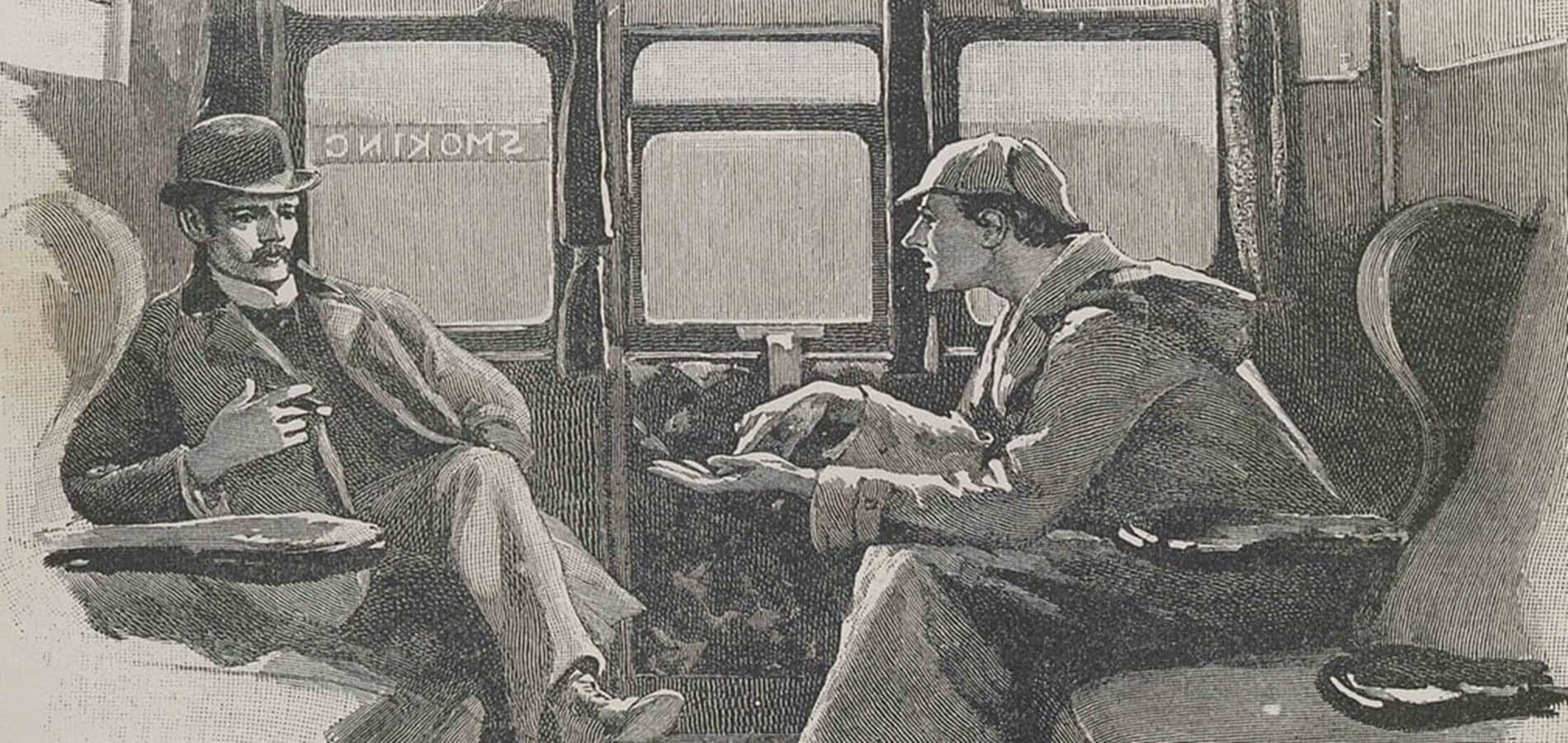
What can HeinOnline illuminate about the world’s greatest detective? The connections may surprise you. The game’s afoot!

Do you watch the black and white or colorized version of It’s a Wonderful Life every Christmas? Why is there a colorized version—and should there be?
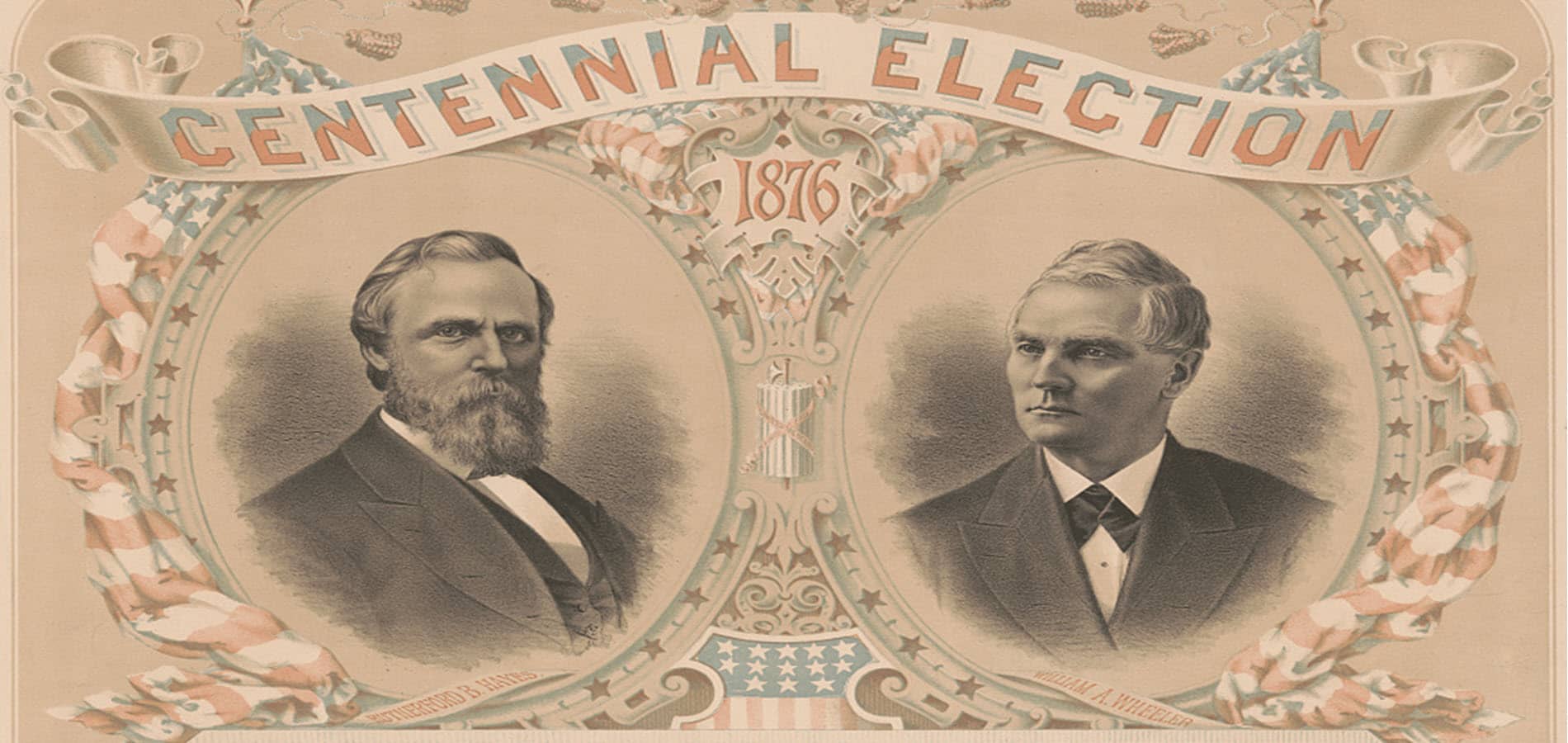
The disputed Hayes-Tilden 1877 presidential election almost tore the country apart. Instead, it reshaped its postbellum philosophy.
We’re thrilled to unveil our latest database, Judges and the Judiciary: Exploring America’s Court System! This fully revamped collection offers comprehensive resources on judicial structures, composition, oversight, and procedures in America’s court system.
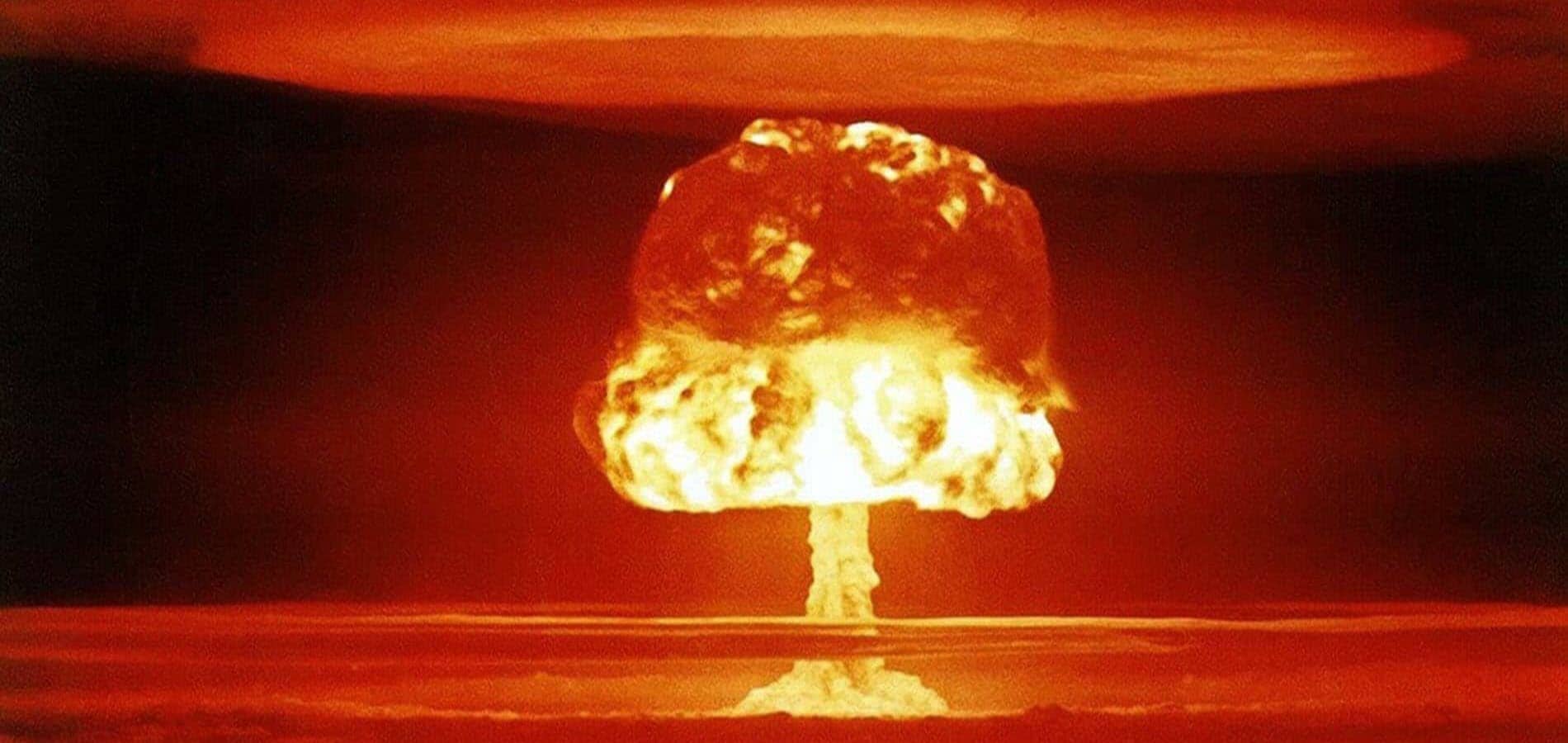
J. Robert Oppenheimer, the father of the atomic bomb, had his security clearance revoked in 1954 in a highly controversial and vendetta charged hearing.
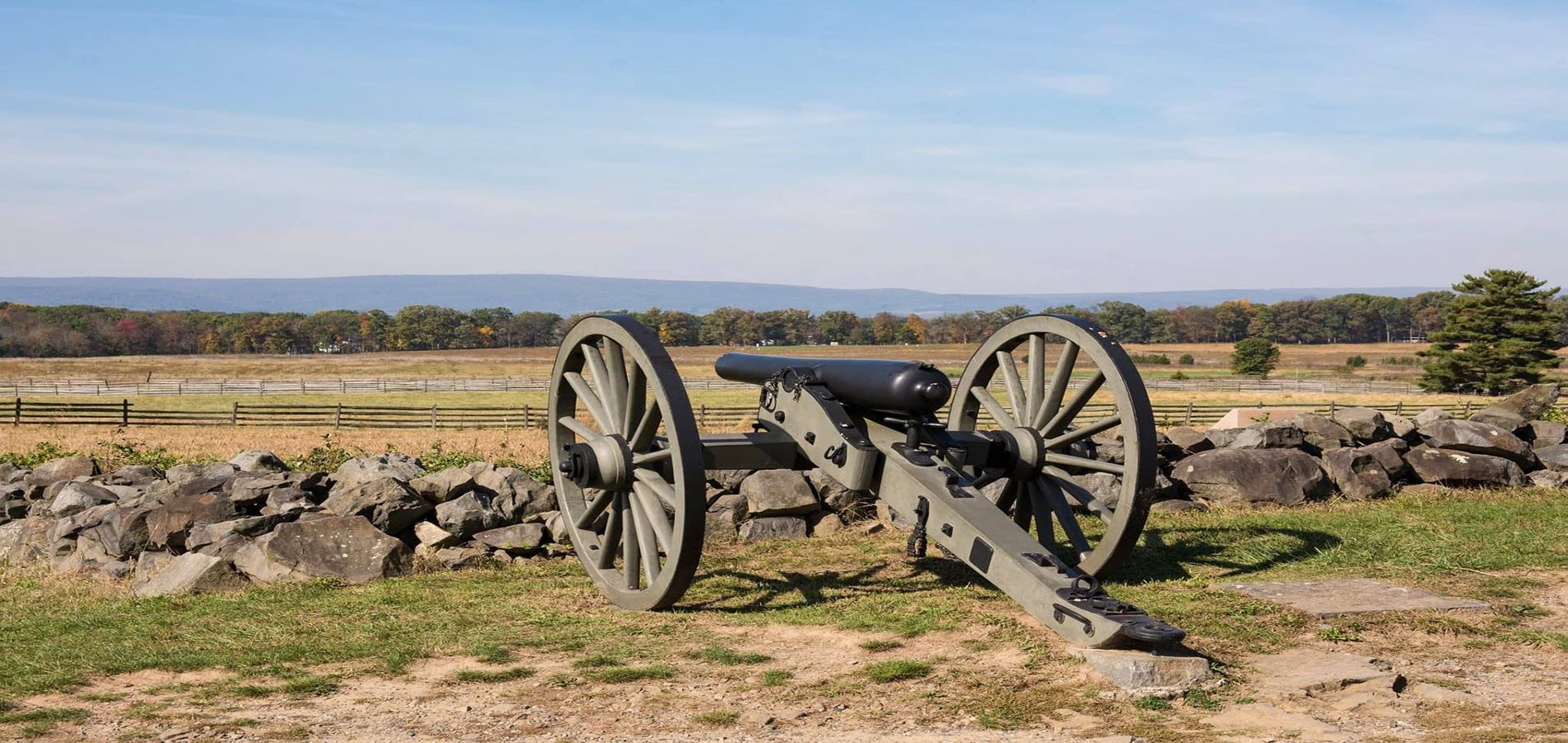
2023 marks the 160th anniversary of the most famous battle of the American Civil War: the Battle of Gettysburg. Fought over three days across Pennsylvania farmland, Gettysburg was the war’s turning point and its bloodiest battle.